
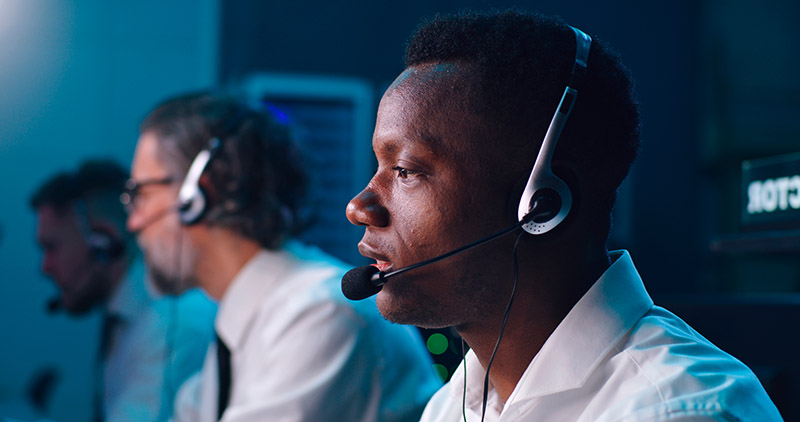
For years, operational excellence in non-emergency medical transportation was measured in trips per vehicle, minutes per stop, and cost per mile. Those metrics still matter. But the operators winning new contracts and renewing existing ones are watching something else just as carefully: what happens in the dispatch hour.
The dispatch hour is the window between a trip being requested or confirmed and the member being picked up. It is where most member frustration, broker penalties, and wasted miles quietly accumulate. It is also where the next generation of NEMT competitive advantage is being built.
The Pressure is Real, and it is Growing
Medicaid managed care plans are tightening service-level agreements. Members, accustomed to the on-demand experience of consumer ride apps, expect transparency and short wait windows. Brokers are introducing stricter on-time performance thresholds, and many are passing penalties through to providers. At the same time, trip volumes are climbing as health plans expand benefits to include more behavioral health, dialysis, and trips tied to social determinants of health.
The result: a dispatcher who used to manage a steady book of pre-scheduled trips is now juggling same-day requests, will-call returns, last-minute cancellations, and ride chains that need to be re-optimized in real time. Manual dispatch, phone trees, and spreadsheets buckle under that load. Mistakes get expensive. Members get left waiting.
What Changes When the Dispatch Hour Gets Smart
The operators pulling ahead are not always the largest. They are the ones treating dispatch as a strategic function rather than a back-office task. Three shifts are driving the difference.
Automated routing: that adjusts in real time: When a member cancels, a driver runs late, or a will-call comes in, the system reassigns trips instantly based on capacity, geography, and member needs. Dispatchers move from data entry to exception management, which is where their judgment actually pays off.
Member-facing transparency: A simple text with an arrival window, real-time tracking, and easy reschedule options dramatically reduces no-shows. Lower no-shows mean better margins, fewer broker complaints, and fewer missed appointments downstream.
Billing-ready trip data: Every minute, mile, and signature is captured cleanly at the source. Audit prep stops being a quarterly fire drill and becomes a daily byproduct of running the business well.
This is the philosophy NovusMED was built around. For operators running enterprise volume across multiple contracts, the platform turns the dispatch hour into a closed loop where scheduling, routing, member communication, and billing all speak the same language.
The Same Logic Applies at Any Scale
Not every operator needs an enterprise platform on day one. Smaller fleets, growing transportation companies, and PACE centers managing internal trips face the same pressures with leaner teams. Simpli, our self-serve platform, brings the core of that intelligent dispatch experience to operators who need to move quickly without a six-figure technology investment.
The point is not which platform an operator chooses. It is that the dispatch hour can no longer be left to spreadsheets and good intentions. The cost is too high, and the expectations from health plans and members are climbing every quarter.
Transportation is No Longer a Logistics Line Item
Health plans are increasingly recognizing what NEMT operators have known for decades: a missed ride is often a missed appointment, a missed appointment is often a missed medication, and missed care quietly drives the costs that managed care contracts are designed to control. Transportation is moving from logistics line item to clinical lever.
That shift puts new weight on operational discipline. The dispatch hour is where members experience your brand, where contracts are won or lost in the small print of on-time performance reports, and where margin either holds or evaporates.
The operators who get this right will define the next chapter of the industry. Those who treat dispatch as a cost center to minimize, rather than a system to engineer, will keep losing ground to the ones who do not. The good news: the technology to close that gap is here, proven, and accessible at any size. The harder question is whether your operation is ready to use it.